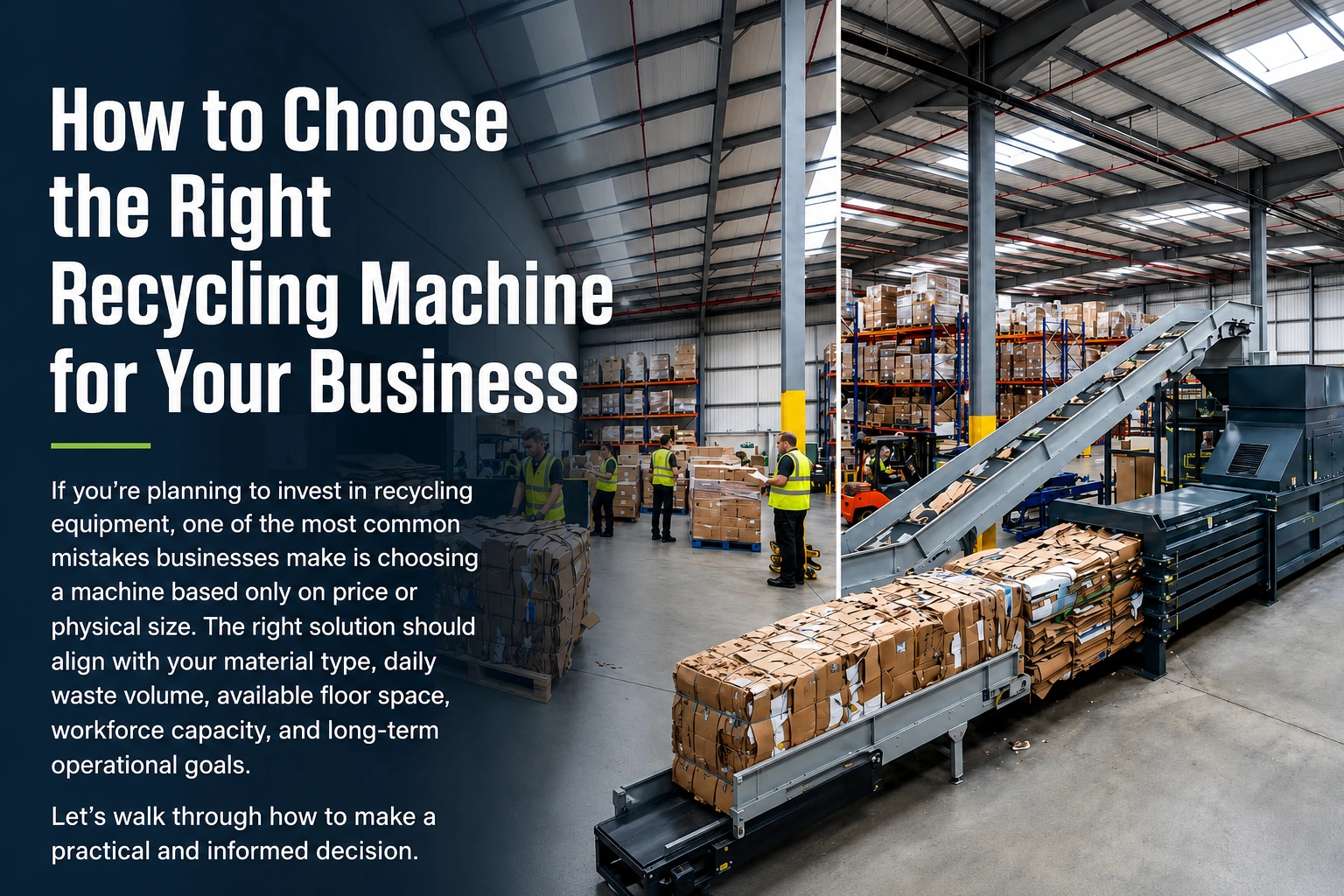
If you're planning to invest in recycling equipment, one of the most common mistakes businesses make is choosing a machine based only on price or physical size. The right solution should align with your material type, daily waste volume, available floor space, workforce capacity, and long-term operational goals.
Let’s walk through how to make a practical and informed decision
Start With Your Waste Stream
Before evaluating machinery options, take a close look at what your facility actually produces. Ask yourself:
For example, a retail warehouse generating carton waste typically benefits from a cardboard baler or paper baler machine. A garment or textile manufacturer handling fabric offcuts would require a textile baler machine. Scrap yards or metal processing units usually need a heavy-duty scrap baler machine designed for dense materials.
Choosing a machine that matches your waste stream is the foundation of an efficient recycling operation.
Understand Volume and Throughput
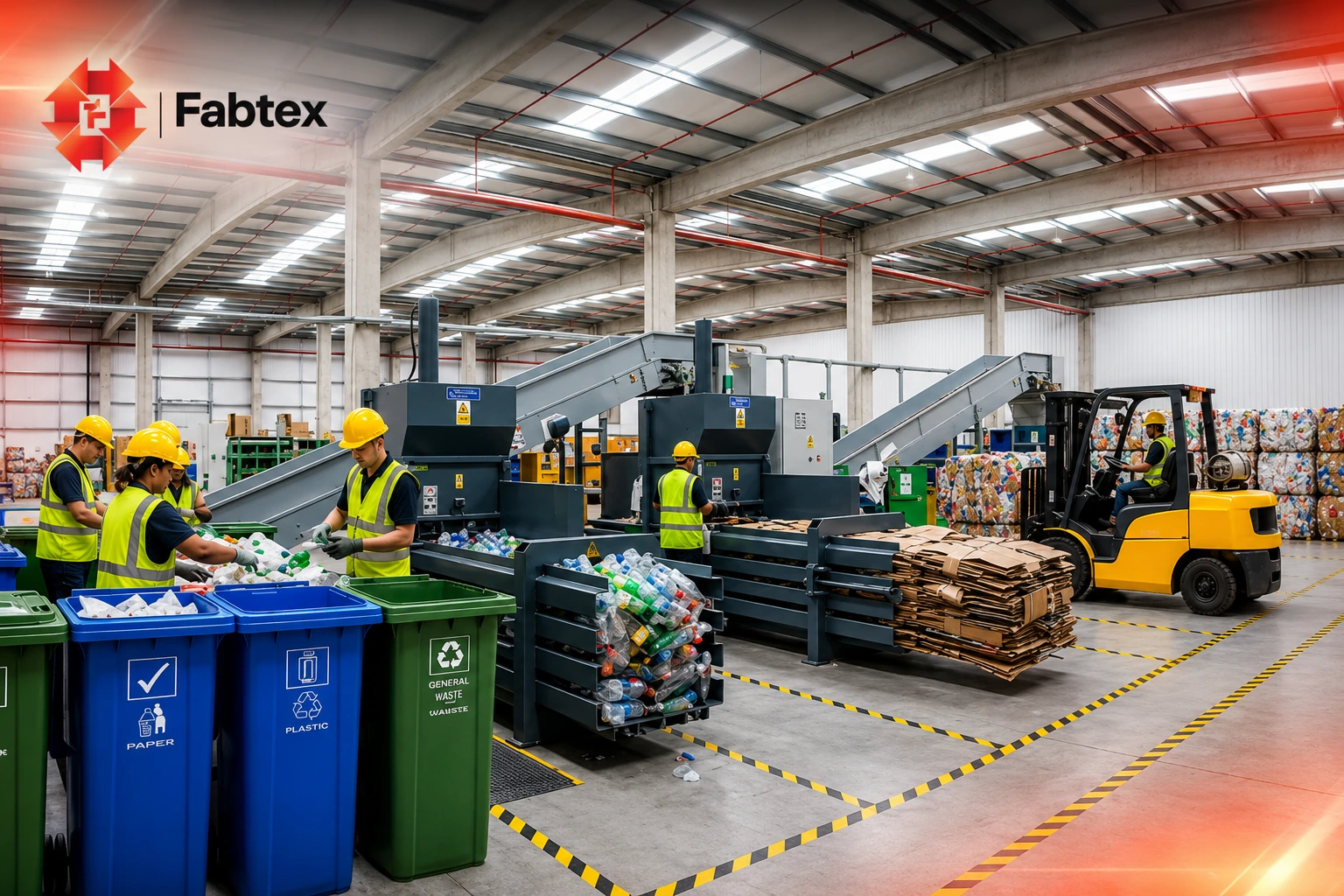
Your waste volume directly determines the type and capacity of equipment required.
Low to Moderate Volume (Retail Stores, Small Warehouses)
A vertical baler machine is often the ideal solution for facilities with steady but manageable waste levels.
It works well when:
- Floor space is limited
- Operators are available for manual tying
- Daily bale output remains relatively low
These machines are compact, cost-effective, and simple to operate.
High Volume (Distribution Centers, Manufacturing Plants)
If your facility produces large amounts of waste daily, a horizontal baler machine is generally more appropriate.
These systems provide:
For operations with conveyor-fed waste systems, an automatic baler machine significantly improves productivity by minimizing labor involvement and downtime.
Mid-sized operations may find a semi automatic baler to be a balanced option, offering improved efficiency without the full investment required for complete automation.
Consider Material Density and Bale Quality
Not all materials require the same compression force.
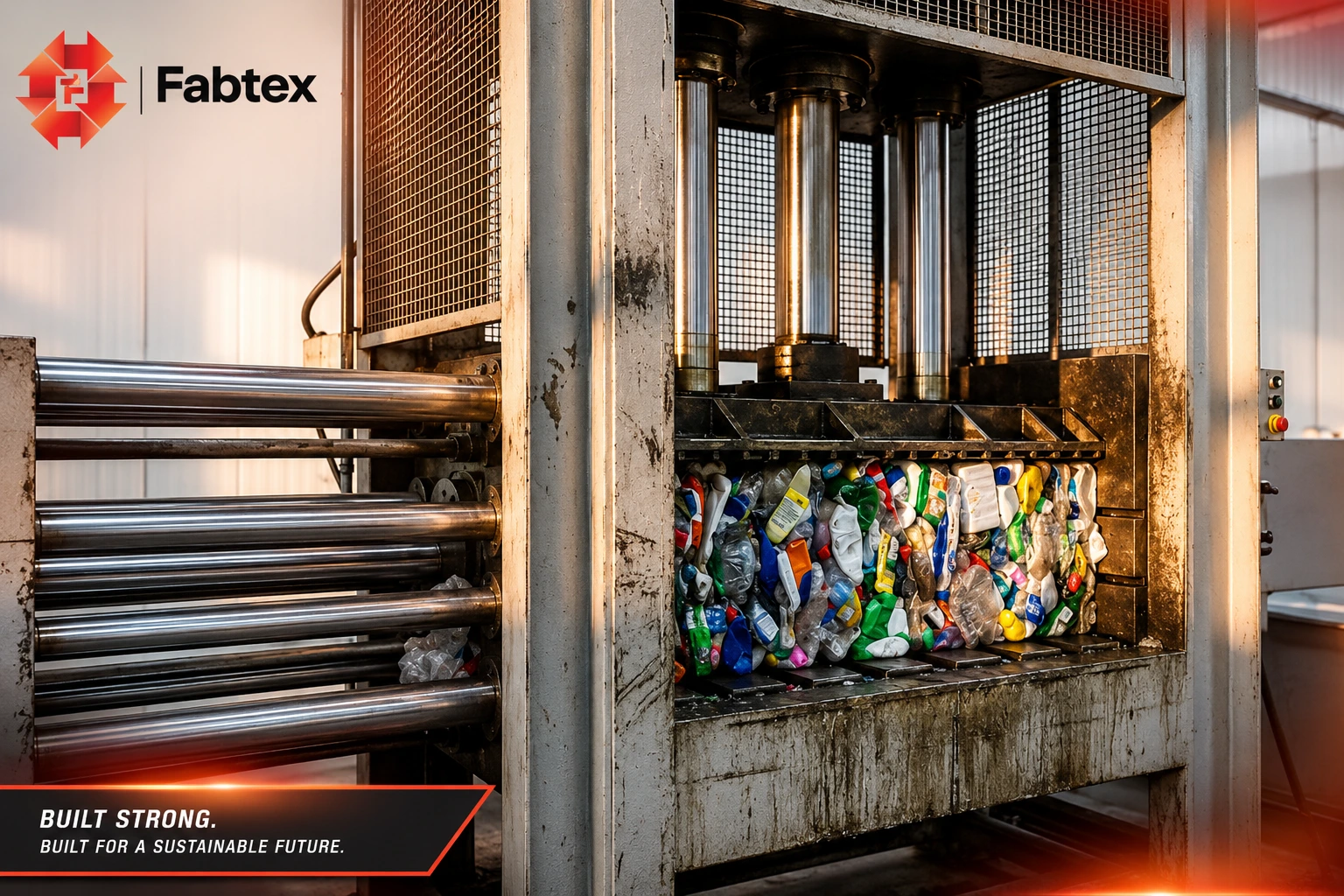
A hydraulic baling press with higher tonnage capacity is necessary for dense plastics, rigid materials, or scrap metals. Lightweight cardboard requires less pressure compared to compact plastics.
If your facility sells compressed bales to recycling processors, bale consistency and density are crucial. Tightly compacted, uniform bales improve transport efficiency and resale value.
Investing in the right Industrial Baler Machine ensures:
Undersized machines often result in loose bales, mechanical strain, and higher long-term maintenance expenses.
Evaluate Space and Workflow Layout
Equipment must integrate smoothly into your facility’s daily operations.
Before installation, assess:
A compact paper baler machine can be positioned near packaging stations, while a horizontal baler machine typically requires dedicated floor space and structured material flow planning.
Always plan with future expansion in mind, not just current needs.
Factor in Maintenance and Technical Support
Recycling machines are long-term industrial assets and require regular servicing. When evaluating suppliers, ask about:
Investing in the right Recycling Machine
A well-built plastic baler machine can operate reliably for many years when properly maintained. However, low-quality components often lead to costly downtime and operational disruption.
Get in Touch →Don’t Overlook Safety Features
Recycling machinery operates under significant pressure and force. Safety should never be compromised.
Look for essential features such as:
Compliance with established industrial safety standards protects both employees and equipment.
Final Thoughts
Choosing the right recycling machine is a strategic operational decision that directly affects productivity, safety, and long-term cost efficiency. By carefully analyzing your waste type, volume, workflow, and growth plans, you can invest in equipment that delivers consistent performance and measurable returns.
For businesses seeking dependable, performance-focused recycling systems, exploring the right equipment options and technical guidance is essential. You can learn more about practical recycling solutions and industrial equipment insights at fabtex engineering works